
Linen vs cotton fabric: which to choose for shirts and summer dresses
Linen and cotton are both plant fibers, but they behave differently on the body and in the wash. This guide compares hand, crease, typical GSM ranges and common apparel uses — with real linen and cotton mill fabrics you can request as color cards.
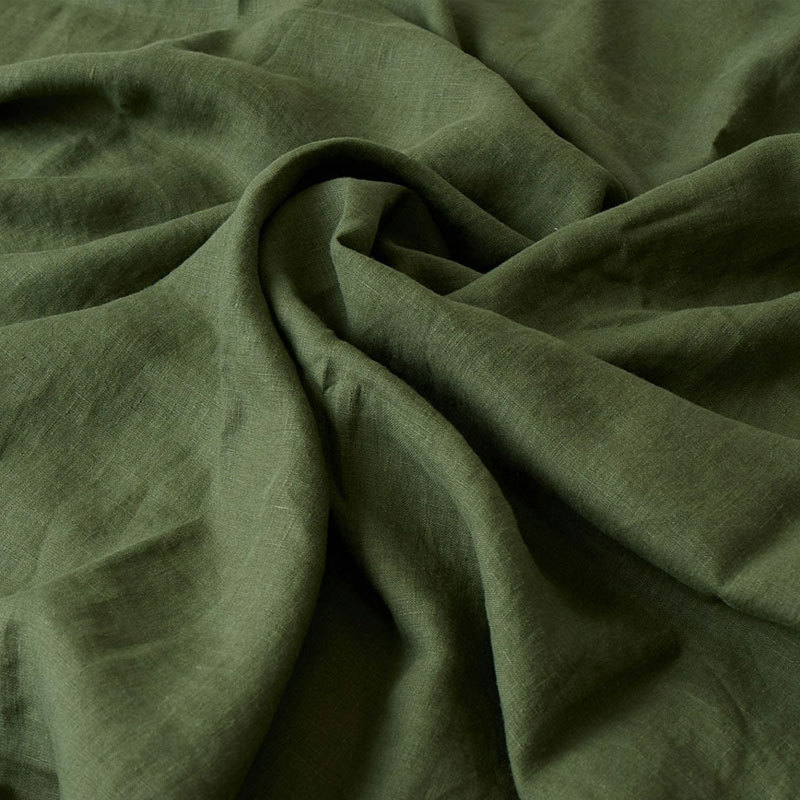
Pictured: Washed pure linen (100% linen, 160 gsm) — a common shirt and summer-dress weight.
Quick comparison
| Factor | Linen | Cotton |
|---|---|---|
| Hand | Dry, cool, slightly crisp | Softer, warmer hand in most shirtings |
| Crease | Shows wear creases quickly | Usually smoother after wear |
| Breathability | Excellent; dries fast | Very good in light constructions |
| Typical shirt GSM | About 120–180 gsm | About 100–160 gsm woven; 140–200 gsm jersey |
| Best known for | Summer shirts, dresses, trousers | Oxfords, poplins, tees, everyday separates |
Ranges are typical apparel starting points. Mills, yarn and finishing change the result — always check the fabric detail page.
When linen wins
Choose linen when you want a cool, textured summer look for shirts, dresses and relaxed trousers. Pure linen like Washed pure linen or Pure linen twill shows the classic flax character. Expect visible creasing — that is usually intentional, not a defect.
When cotton wins
Choose cotton when you need a smoother surface, easier care or tee/jersey stretch. Classic shirting examples: Cotton yarn-dyed oxford (oxford) and Cotton 40s twill shirting (40s twill). For tees and soft knits, mercerised jersey such as Mercerised cotton jersey sits in a typical mid-weight tee band. Browse the cotton hub for more.
Linen-cotton blends
Blends such as Linen cotton shirting (55% linen / 45% cotton) keep a linen look with a slightly softer hand and less aggressive crease. They are a practical middle ground for shirts and summer dresses when pure linen feels too crisp. Also see lyocell-linen blends when you want fluid drape with less wrinkle.
Match the garment, then confirm by touch
- Shortlist by fiber and use. Open linen, cotton, or describe the garment in AI fabric matching.
- Request mill color cards. Put both fibers in one Swatch Box if you are still deciding. Cards are free; the fee covers coordination and worldwide express — $69 for up to 5 or $119 for up to 10.
- Wash-test the winner. Order a 1–10 m cut sample ($4 per fabric + shipping at cost) before bulk.
Mills update colors often. Photos show structure and texture, not every shade — confirm the current range with the physical card.
FAQ
Is linen cooler than cotton?
Linen usually feels cooler and dries faster because the fiber is hollow and less insulating. Cotton can still be very breathable in light constructions. Hand and climate matter more than the label alone — confirm with a physical card.
Does linen wrinkle more than cotton?
Yes. Creasing is part of linen's character. Cotton shirtings and oxfords typically hold a smoother surface after wear. Linen-cotton blends sit in between.
What GSM is good for a linen shirt vs a cotton tee?
Many linen shirtings fall roughly between 120 and 180 gsm. Cotton single jersey for tees often sits around 140–200 gsm. Ranges vary by mill — check the GSM field on each fabric page.
Should I order linen or cotton swatches first?
If you are still comparing fibers, put both in one Swatch Box. The physical mill color cards are free; the fee covers coordination and worldwide express shipping — $69 for up to 5 swatches or $119 for up to 10, max 10 fabrics per box.
When do I need a cut sample instead of a color card?
Upgrade to a 1–10 m cut sample ($4 service fee per fabric plus shipping at cost) when you need cloth for wash tests, drape checks or prototype sewing.
Linen and cotton fabrics in the catalog
Washed pure linen160 gsm · shirts & dresses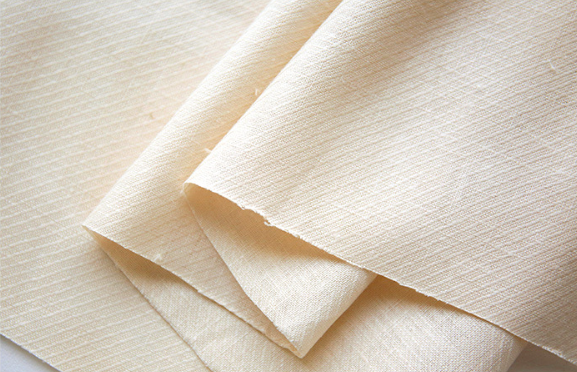 Pure linen twill150 gsm · structured linen
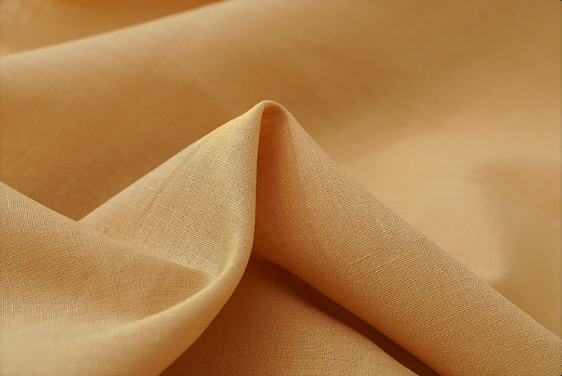 Linen cotton shirting130 gsm · 55% linen / 45% cotton
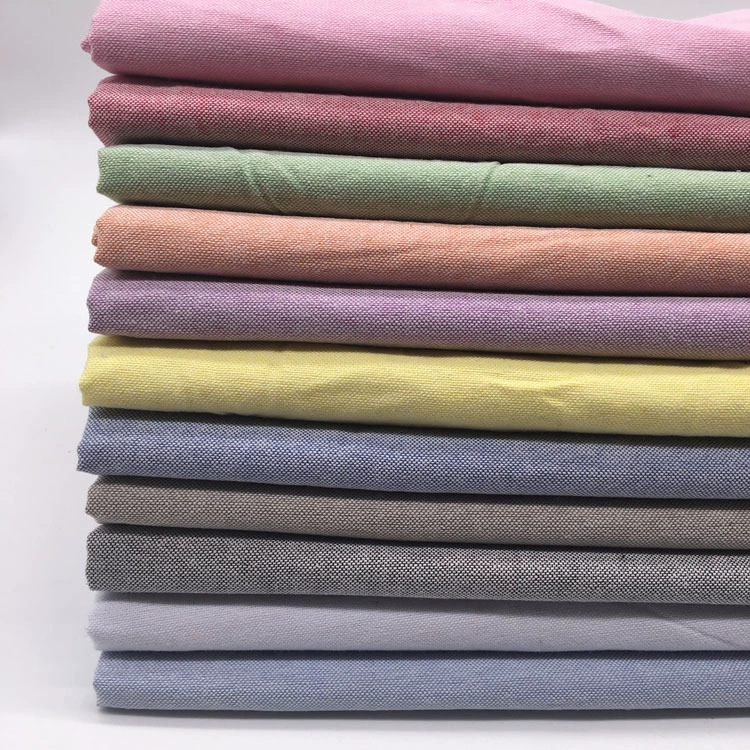 Cotton yarn-dyed oxford150 gsm · classic shirting
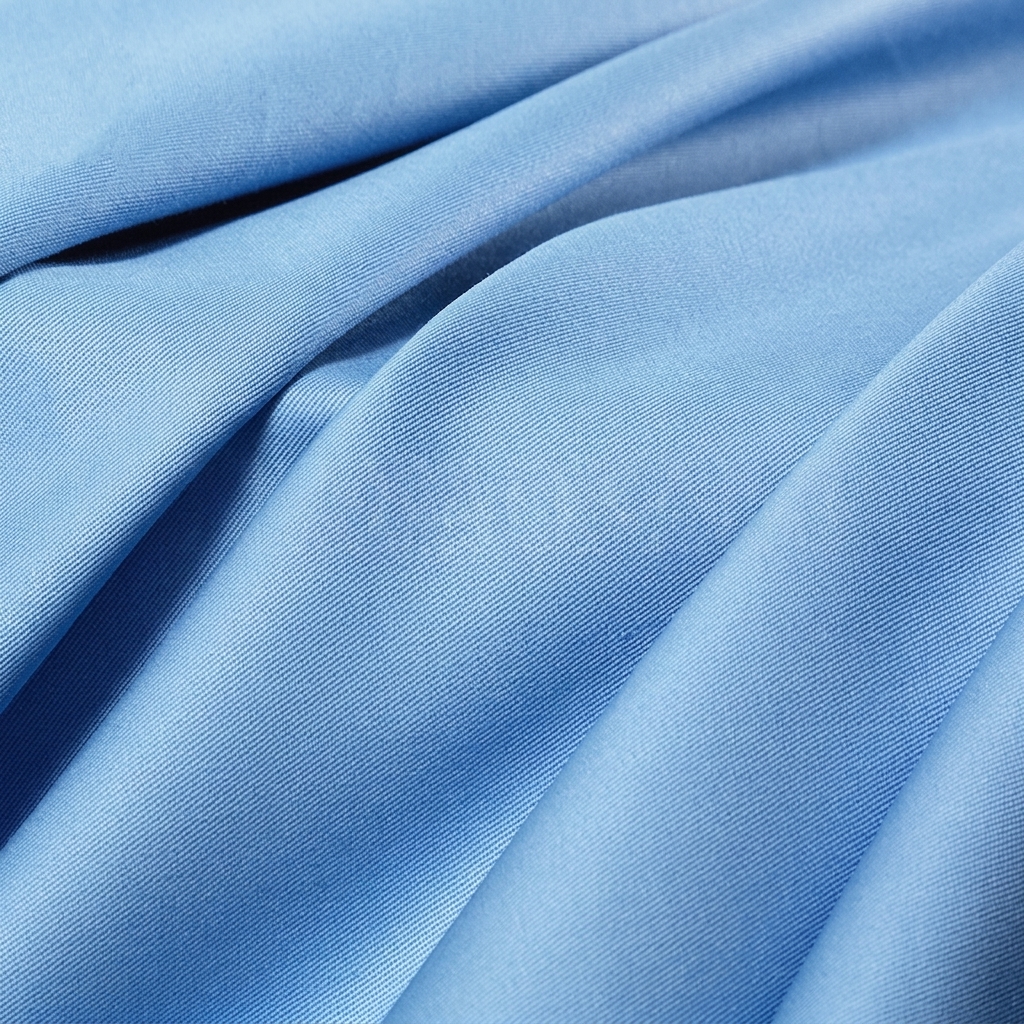 Cotton 40s twill shirting135 gsm · dense cotton
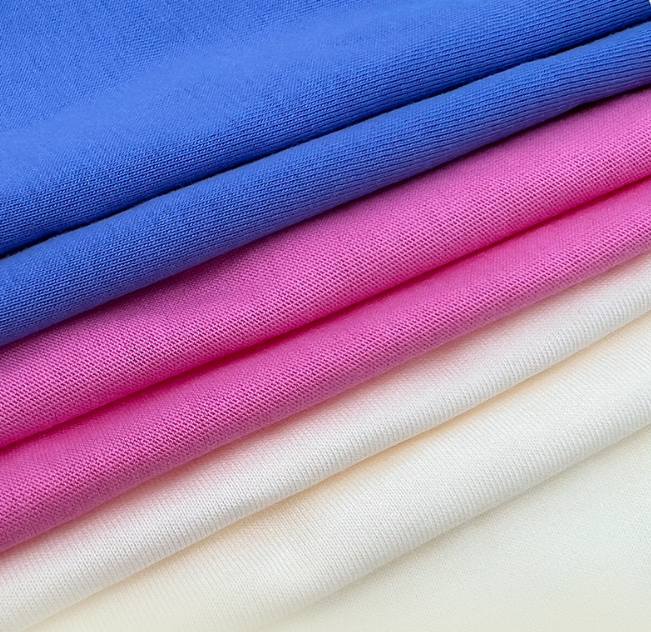 Mercerised cotton jersey190 gsm · tee weight
Photos show structure and texture; confirm current colors with the physical card.