
Tencel vs modal fabric: differences for apparel designers
Both Tencel lyocell and modal are made from wood pulp, but they are spun differently and behave differently. Short version: lyocell is stronger with a cool, fluid drape; modal is softer and silkier, the go-to for jersey next to skin. Compare lyocell fabrics and modal fabrics in the catalog.
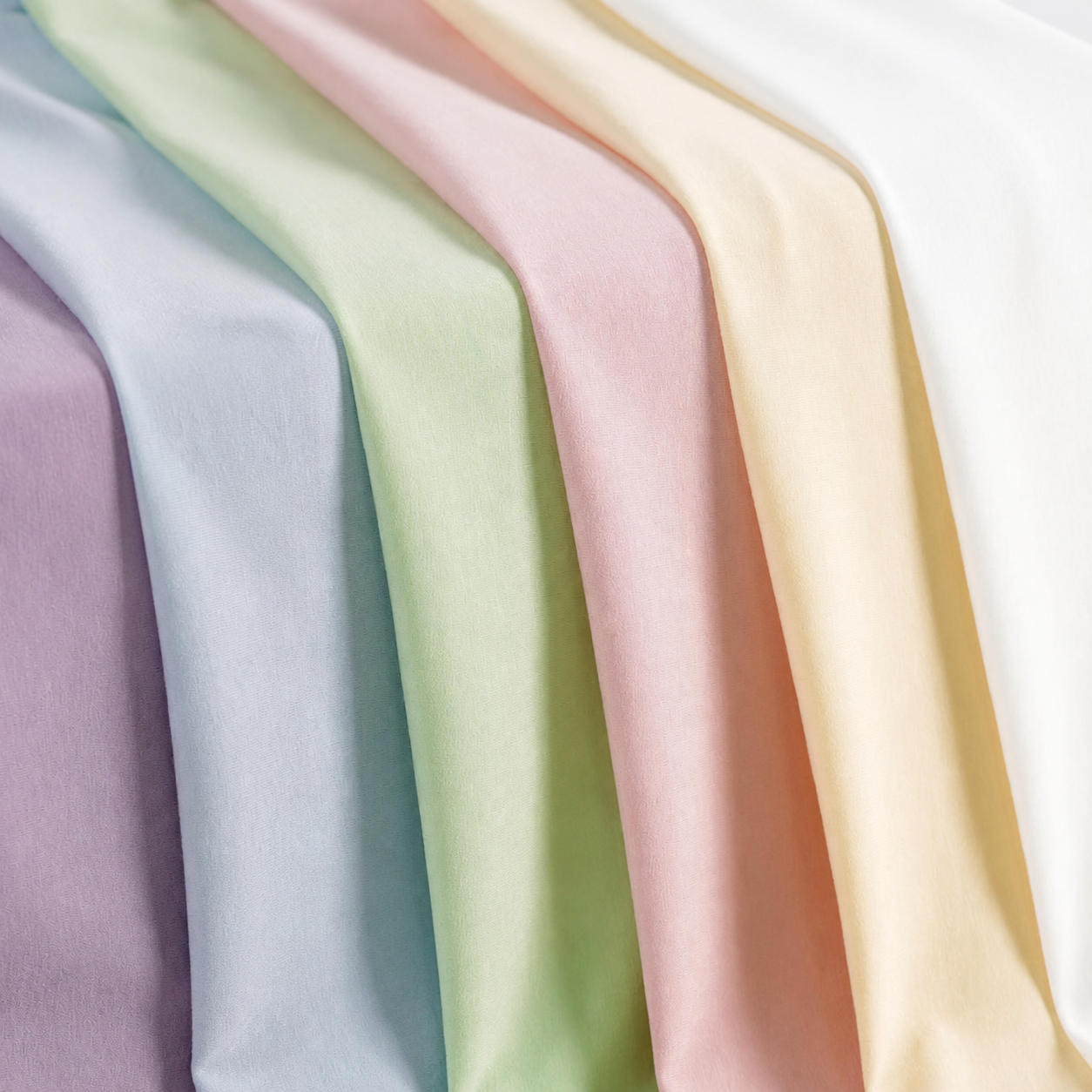
Pictured: Modal cotton spandex jersey (46% modal, 46% cotton, 8% spandex).
Tencel vs modal at a glance
| Tencel / lyocell | Modal | |
|---|---|---|
| Fiber type | Lyocell — solvent-spun regenerated cellulose | High-wet-modulus viscose type |
| Hand | Smooth, cool, slightly crisp | Very soft, silky, supple |
| Drape | Fluid but holds shape | Liquid, clings more |
| Wet strength | High | Good, lower than lyocell |
| Watch for | Peach-skin haze (fibrillation) | Knits growing or losing shape |
| Typical uses | Shirts, dresses, trousers, tees | Tees, loungewear, underwear, sleepwear |
Tencel is a Lenzing trademark used for its branded lyocell and modal. Mill spec sheets usually just say "lyocell" or "modal". New to lyocell? Read what Tencel fabric is.
When to choose modal
Pick modal when softness next to skin matters most. It is usually blended with cotton for body and spandex for recovery.
- Soft tees and tanks: Modal cotton spandex jersey, 190 gsm.
- Loungewear and sleepwear: Modal cotton interlock, 180 gsm.
- Heavier fitted knits: Mercerized modal cotton stretch, 260 gsm.
When to choose Tencel / lyocell
Pick lyocell for wovens that need drape plus strength, or a cooler, smoother jersey.
- Blouses and slip dresses: 100% lyocell satin, 100 gsm.
- Smooth tees: Lyocell spandex jersey, 160 gsm.
- Summer shirts and trousers: Lyocell linen herringbone, 180 gsm.
Weights vary by mill — see what GSM means.
Compare both in person
- Shortlist. Open the Tencel / lyocell filter and a modal search, or describe your garment in AI fabric search.
- Put both in one Swatch Box. Up to 10 fabrics per box. The cards are free; the fee covers coordination and worldwide express shipping — $69 for up to 5 swatches or $119 for up to 10.
- Wash test the winner. Order a 1–10 m cut sample: $4 per fabric plus shipping at cost.
Mills update their colors often. Photos show structure and texture, not every available shade — confirm the full color range with the physical card.
FAQ
What is the difference between Tencel and modal?
Both are regenerated cellulose fibers made from wood pulp. Lyocell (sold as Tencel lyocell) is spun with a solvent process and is stronger, especially when wet, with a cool, fluid drape. Modal is a high-wet-modulus viscose type with an extra-soft, silky hand that is popular for jersey and underwear.
Is modal softer than Tencel?
Modal jersey usually feels softer and more supple against the skin, while lyocell feels smoother and cooler with a slightly crisper drape. Hand depends heavily on construction and finishing, so compare physical swatches.
Which is better for T-shirts and underwear?
Modal blended with cotton or spandex is the common choice for soft tees, loungewear and underwear. Lyocell jersey also works for tees; lyocell wovens are more common for shirts, dresses and trousers.
Do Tencel and modal shrink or pill?
Both can shrink or change surface if washed hot or tumble dried, depending on construction and finishing. Modal knits can grow or lose shape; lyocell can show a peach-skin haze from fibrillation. Wash test the actual fabric with a 1–10 m cut sample before production.
Can I compare Tencel and modal swatches from SwatchFree?
Yes. Put lyocell and modal fabrics in the same Swatch Box. The physical mill color cards are free; the fee covers coordination and worldwide express shipping — $69 for up to 5 swatches or $119 for up to 10, with a maximum of 10 fabrics per box. For wash tests, order a 1–10 m cut sample at $4 per fabric plus shipping at cost.
Modal and lyocell fabrics in the catalog
Modal cotton spandex jersey190 gsm · soft tee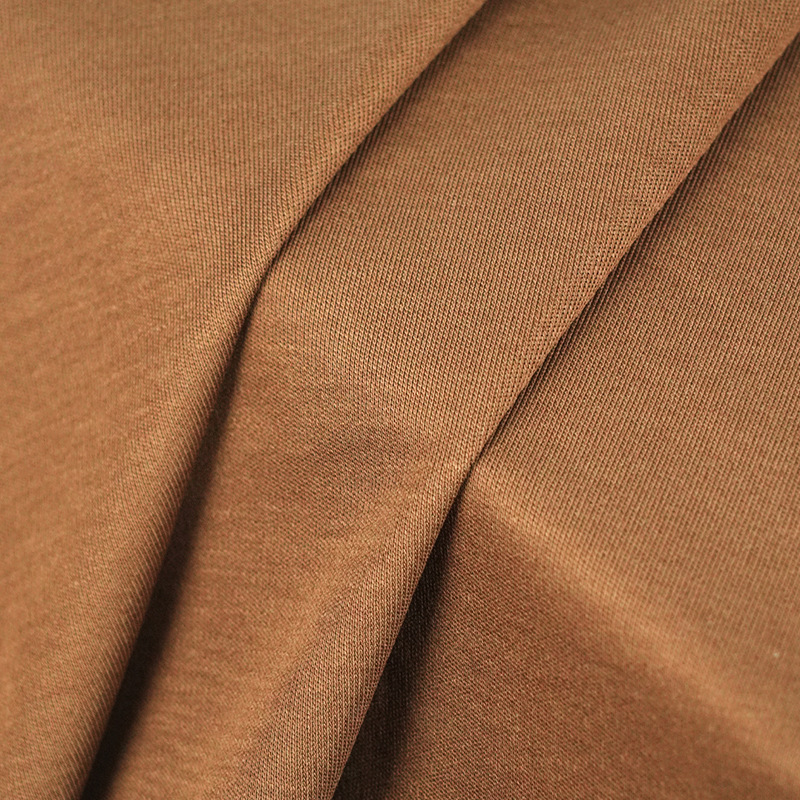 Modal cotton interlock180 gsm · loungewear
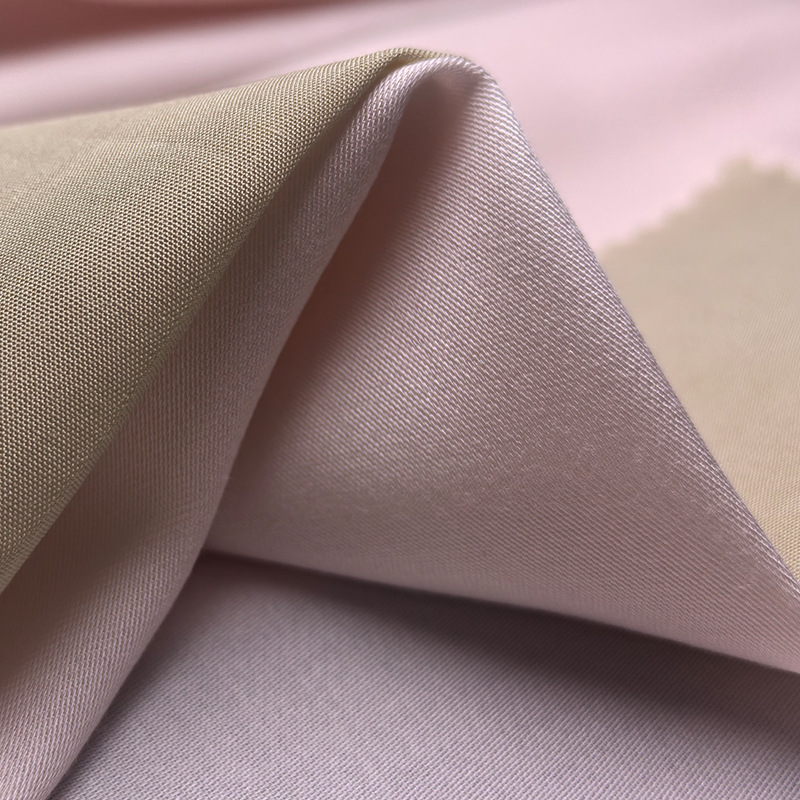 100% lyocell satin100 gsm · fluid drape
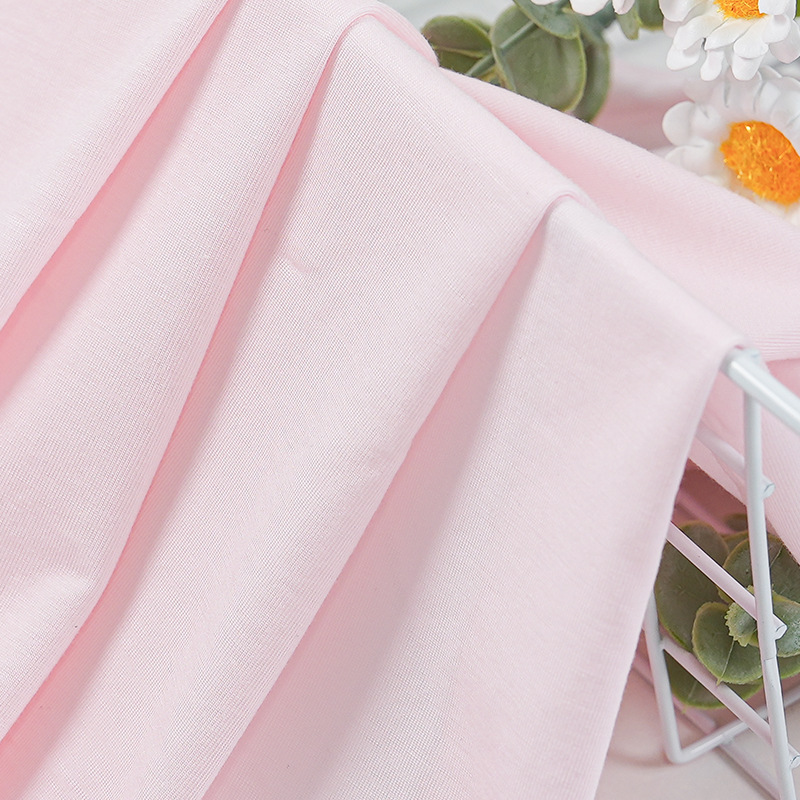 Lyocell spandex jersey160 gsm · 93% lyocell
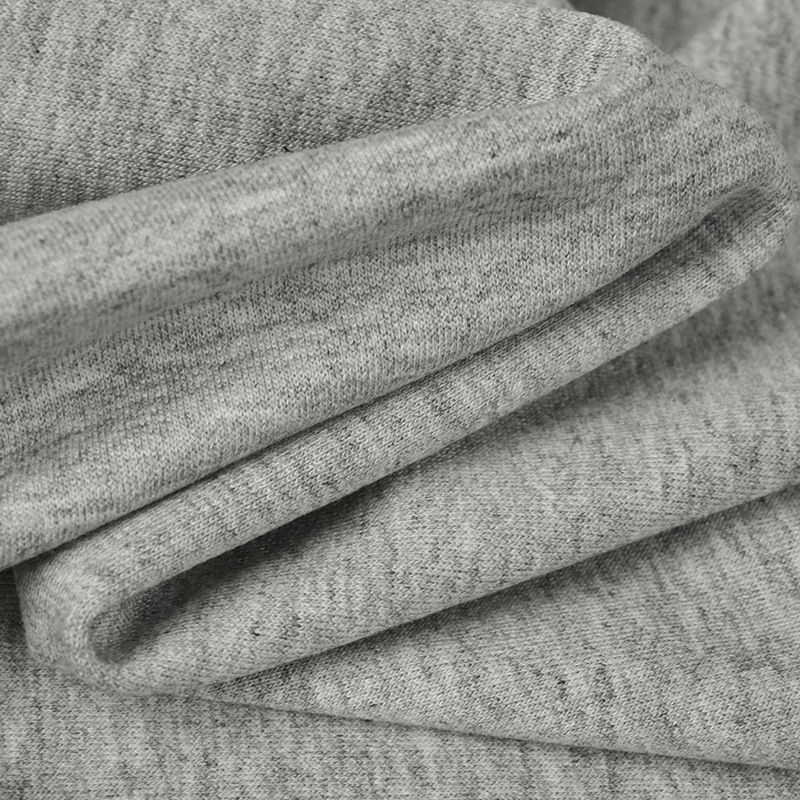 Mercerized modal cotton stretch260 gsm · heavier knit
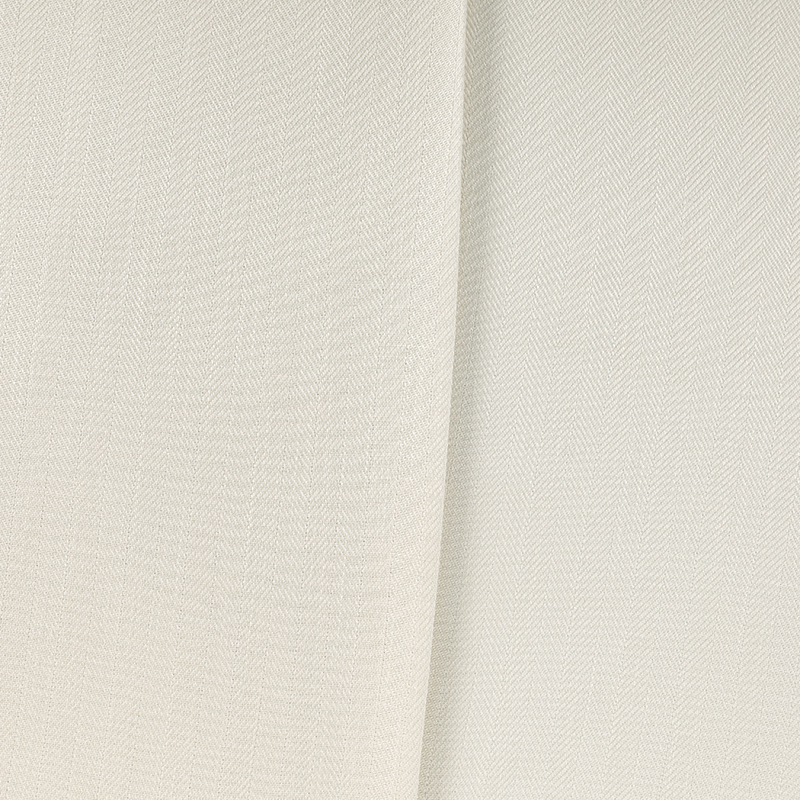 Lyocell linen herringbone180 gsm · twill
Photos show structure and texture; confirm current colors with the physical card.