
What is modal fabric? Properties, blends and sourcing for apparel
Modal is a soft, silky regenerated cellulose fiber made from wood pulp — a high-wet-modulus type of viscose. It is the go-to fiber for premium tees, loungewear and underwear. Our catalog currently lists 49 in-stock modal fabrics you can sample.
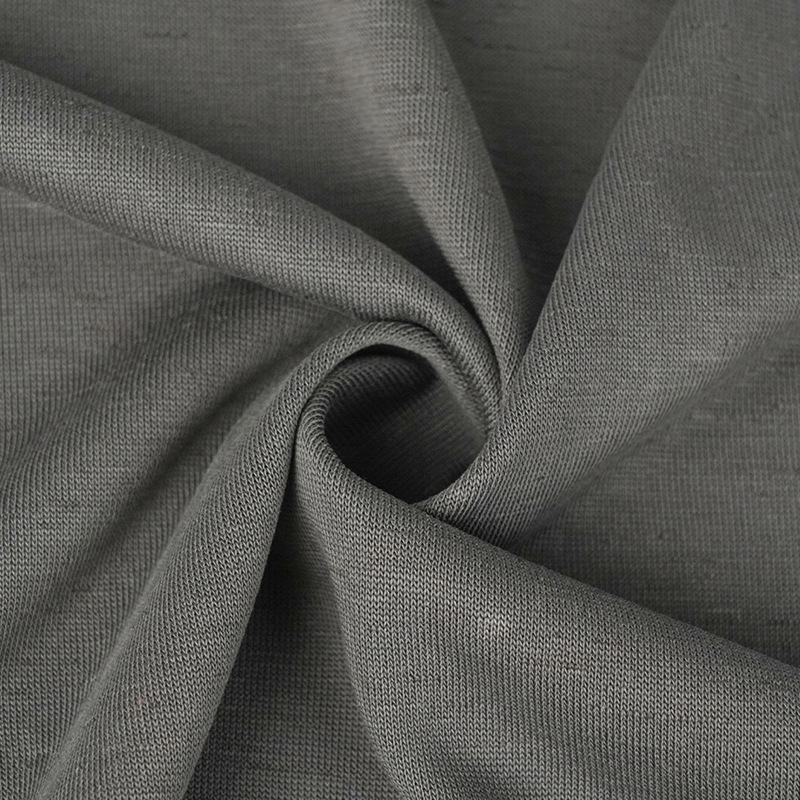
Pictured: Modal polyester slub jersey (65% modal, 35% polyester).
How modal is made and how it feels
Wood pulp (usually beech) is dissolved and spun into filaments. Compared with regular viscose rayon, modal keeps more strength when wet, so garments hold up better in washing. On the body it feels cool, smooth and very supple, with a liquid drape and bright, rich color.
Pure modal knits can grow and lose shape, so most apparel modal is blended: cotton adds body, polyester adds stability, spandex adds recovery. Comparing it with lyocell? Read Tencel vs modal.
Modal vs cotton
| Modal | Cotton | |
|---|---|---|
| Hand | Very soft, silky, cool | Soft to crisp, matte |
| Drape | Fluid, follows the body | More body, holds shape |
| Stretch recovery | Knits can grow — add spandex | Stable, moderate |
| Color | Bright, holds dye well | Can fade with washing |
| Care | Cool wash, low or line dry | Easy, tolerates heat |
| Typical uses | Tees, loungewear, underwear, sleepwear | Everything from tees to workwear |
Modal blends and GSM by garment
- Light tees and underwear (140–190 gsm): Modal cotton wool single jersey, 150 gsm; Modal polyester slub jersey, 185 gsm.
- Soft tees and loungewear (180–230 gsm): Modal cotton spandex jersey, 190 gsm; Modal cotton interlock, 180 gsm.
- Structured or cool-weather pieces (220 gsm+): Sanded modal scuba double knit, 220 gsm; Modal cotton wool air layer, 320 gsm.
Weights vary by mill — see what GSM means.
How to sample modal fabrics
- Shortlist. Browse all modal fabrics below, or describe your garment in AI fabric search.
- Request color cards. Up to 10 fabrics per Swatch Box. The cards are free; the fee covers coordination and worldwide express shipping — $69 for up to 5 swatches or $119 for up to 10.
- Wash test. Order a 1–10 m cut sample ($4 per fabric plus shipping at cost) and check shrinkage, growth and pilling.
Mills update their colors often. Photos show structure and texture, not every available shade — confirm the full color range with the physical card.
FAQ
What is modal fabric made of?
Modal is a regenerated cellulose fiber made from wood pulp, usually beech. It is a high-wet-modulus type of viscose, which means it keeps more strength when wet than regular viscose rayon.
Is modal better than cotton?
Modal feels softer and silkier, drapes more fluidly and resists fading better in many cases, while cotton is more stable, breathable and easier to care for. That is why most modal apparel fabrics are modal-cotton blends: softness from modal, body from cotton.
Does modal fabric shrink or pill?
Modal can shrink slightly and knits can grow or lose shape if washed hot or tumble dried; pilling depends on yarn and blend. Wash test the actual fabric with a 1–10 m cut sample before production.
What GSM is good for modal T-shirts and loungewear?
Roughly 140–190 gsm suits tees, tanks and underwear, 180–230 gsm suits loungewear and fitted tops, and 250 gsm and up suits heavier double knits and cool-weather lounge pieces. Weights vary by mill, so compare physical swatches.
Can I get modal fabric swatches from SwatchFree?
Yes. Add up to 10 modal fabrics to a Swatch Box. The physical mill color cards are free; the fee covers coordination and worldwide express shipping — $69 for up to 5 swatches or $119 for up to 10. For wash tests, order a 1–10 m cut sample at $4 per fabric plus shipping at cost.
Modal fabrics in the catalog
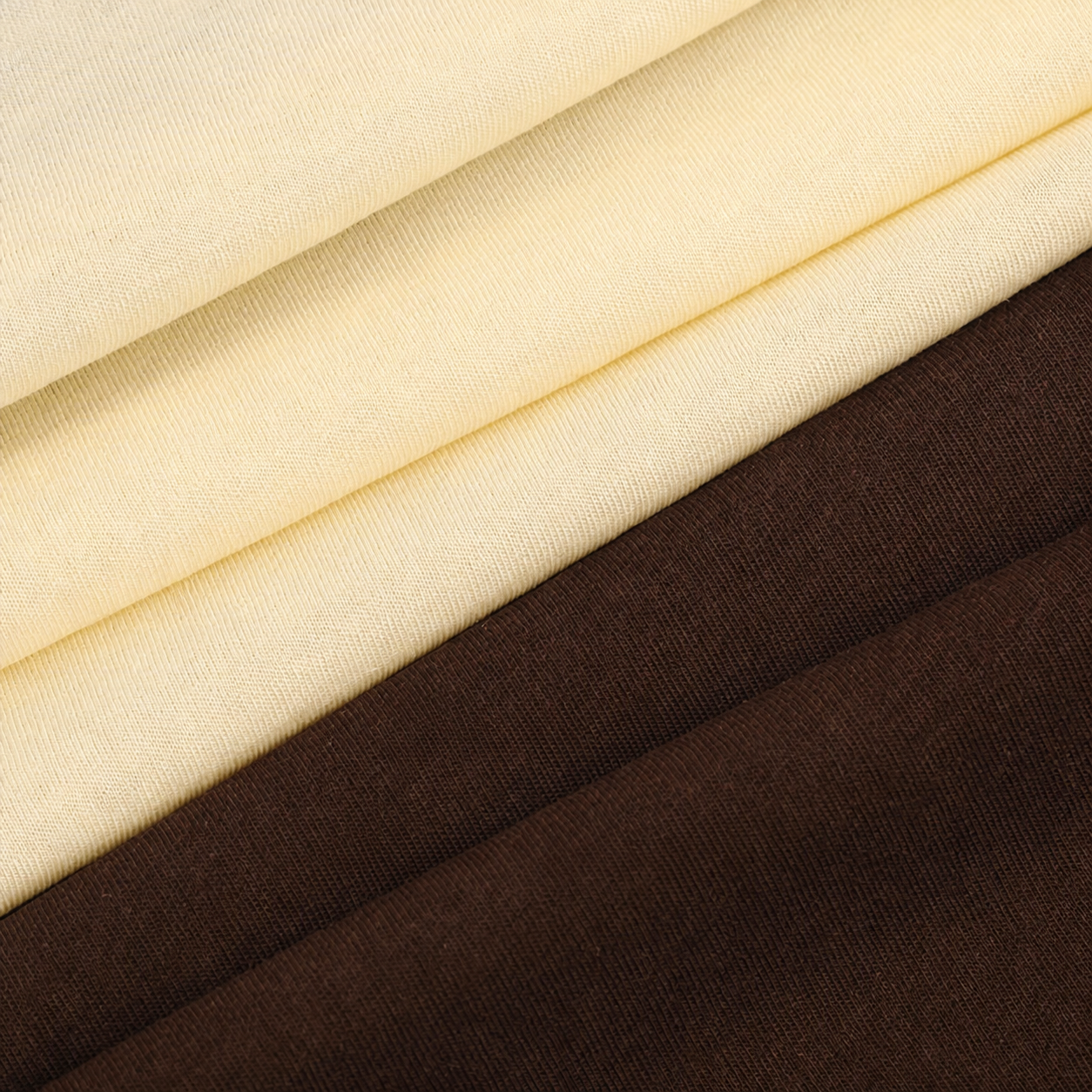 Modal cotton wool single jersey150 gsm · light teeModal polyester slub jersey185 gsm · 65% modal
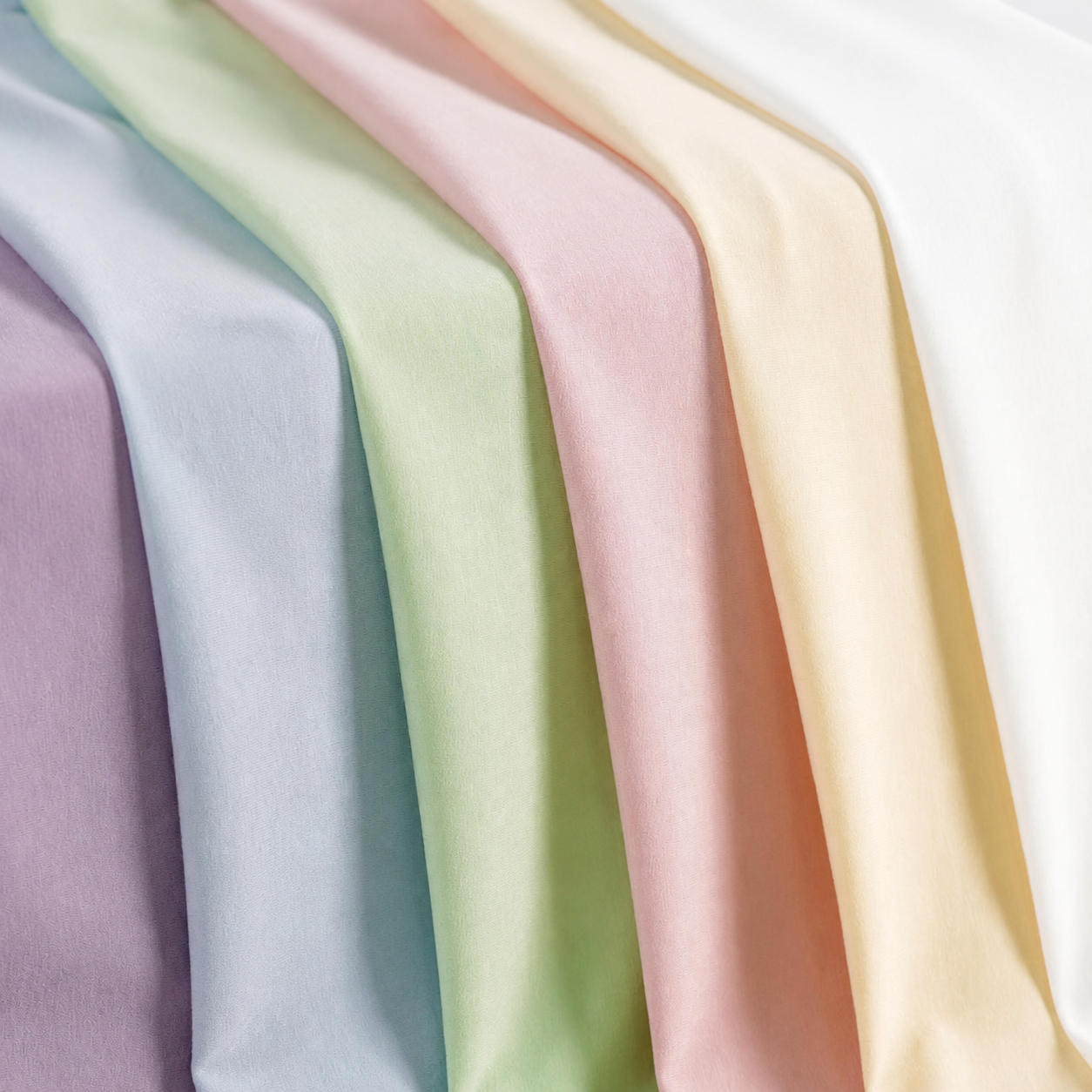 Modal cotton spandex jersey190 gsm · soft tee
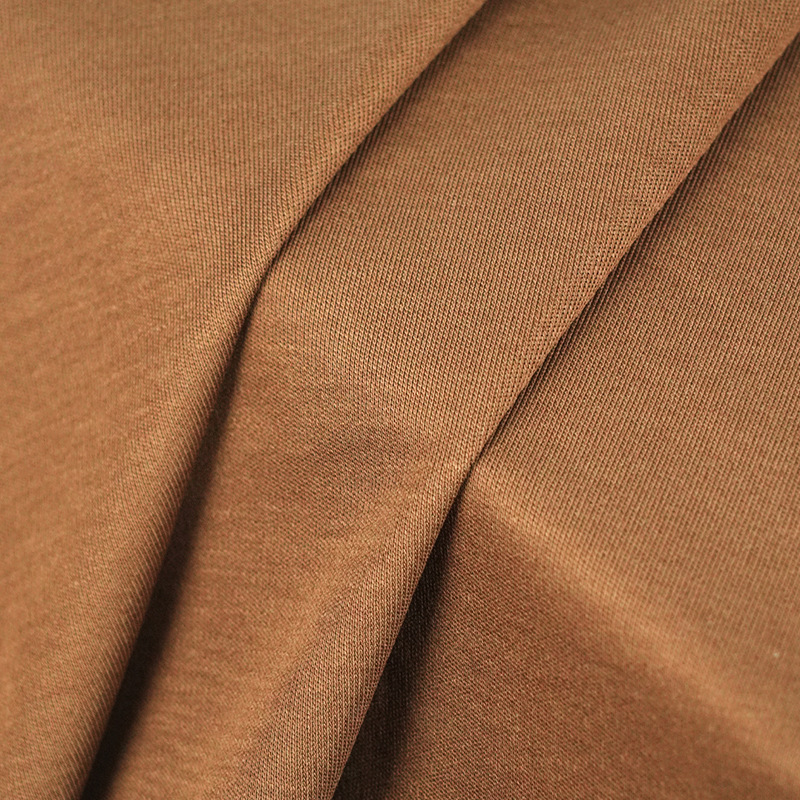 Modal cotton interlock180 gsm · loungewear
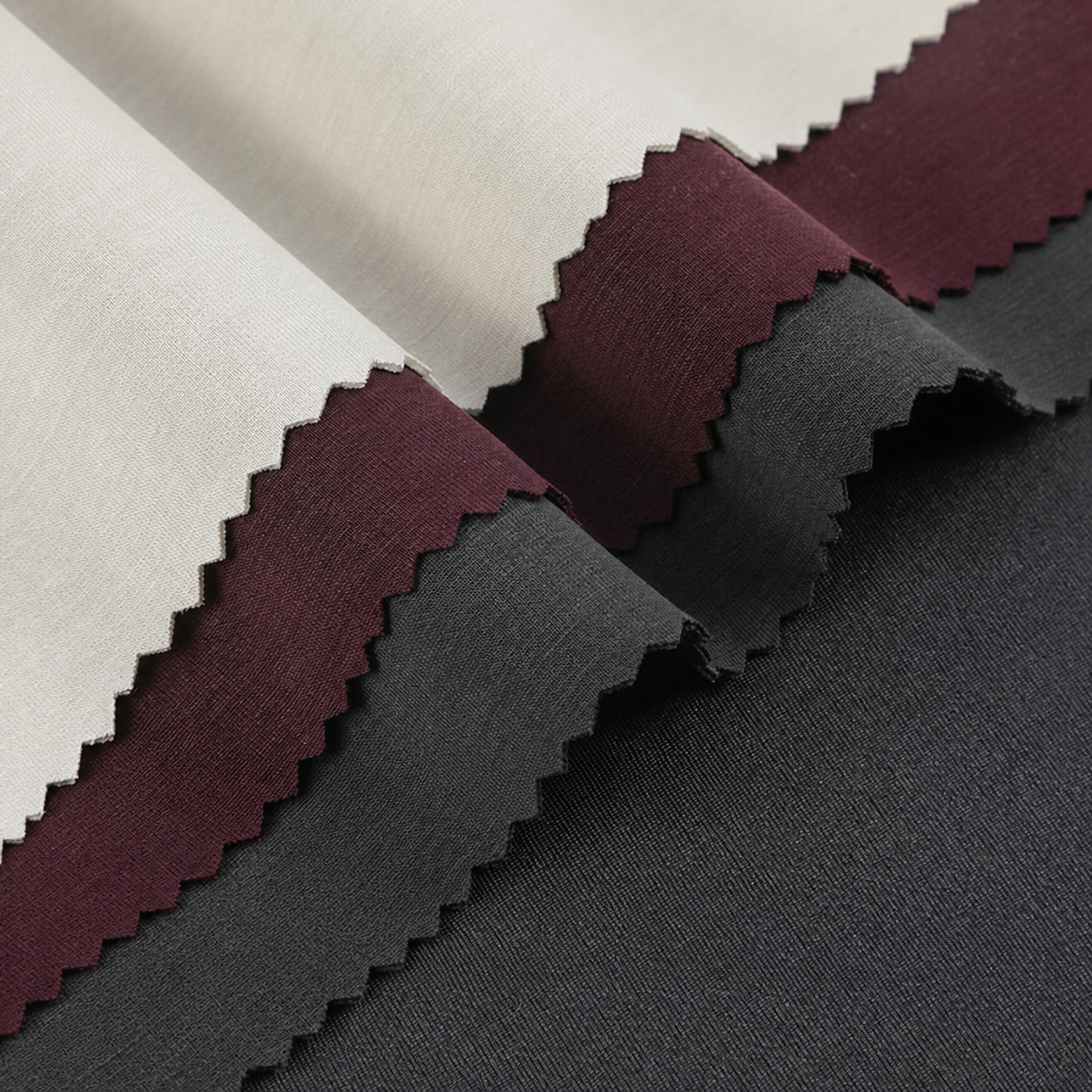 Sanded modal scuba double knit220 gsm · structured
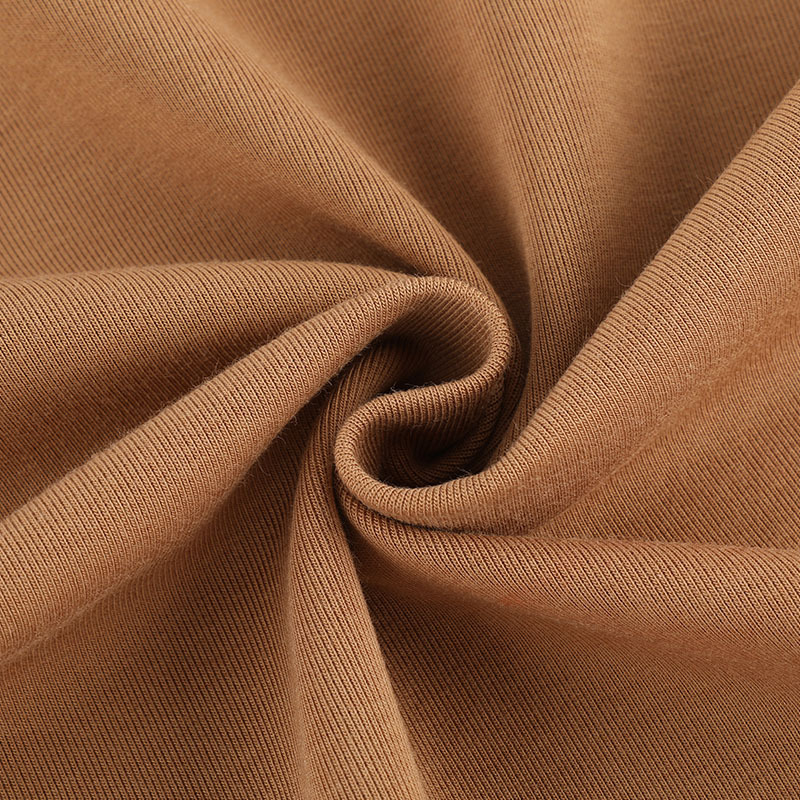 Modal cotton wool air layer320 gsm · cool-weather lounge
Photos show structure and texture; confirm current colors with the physical card.