
Modal vs cotton vs Tencel: choose by garment, GSM and drape
Start with modal blends for soft, body-skimming knits, cotton for everyday body and structure, and lyocell for fluid woven silhouettes. Then compare construction, GSM and finish: a fiber name is not a guarantee of softness, cooling, durability or quality.
This guide connects the soft-loungewear and cotton-apparel choices to six real in-stock catalog fabrics. Compare their actual compositions below, then shortlist and test them before production.
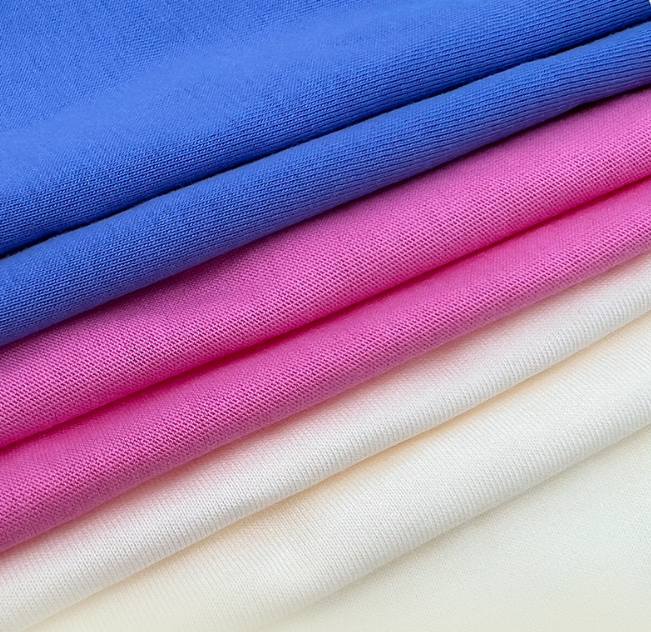
Pictured: Mercerised cotton single jersey, 190 gsm, 100% cotton — a useful tee-weight comparison sample.
Modal, cotton and Tencel: what the labels mean
Cotton is a natural plant fiber. Modal and lyocell are regenerated cellulose fibers made from wood pulp, but their manufacturing processes differ. Modal is a high-wet-modulus viscose type; lyocell uses solvent spinning. Wood species and production practices vary, so the generic fiber label does not prove a specific feedstock or environmental certification.
TENCEL is a Lenzing brand, not a third generic fiber type. The brand covers both lyocell and modal. For this comparison, “Tencel” means lyocell, matching the catalog’s Tencel / Lyocell filter. The pictured products are listed as lyocell; we are not claiming verified TENCEL-branded fiber for them.
Read the composition, not just the name. Our featured modal jersey contains 46% modal, 46% cotton and 8% spandex; the modal interlock also contains polyester. Neither is pure modal, and its behavior cannot be attributed to modal alone.
Modal vs cotton vs Tencel comparison
These are selection tendencies, not measured performance results for a particular fabric. No single fiber wins every category.
| Compare | Modal | Cotton | Tencel / lyocell |
|---|---|---|---|
| Fiber origin | Regenerated cellulose; high-wet-modulus viscose type | Natural cellulose fiber from cotton plants | Regenerated cellulose made by a solvent-spinning process |
| Typical hand | Smooth, supple; often chosen for skin-contact knits | Can be soft, crisp or brushed; finish matters | Often smooth and fluid; satin and plain weave feel different |
| Drape and body | Modal-rich jerseys often follow the body | Dense wovens and some jerseys offer more body | Lyocell wovens often fall fluidly; blends can add texture |
| Summer comfort | Check jersey density and fit | Check weight and fabric openness | Check weight, openness and lining |
| Stretch recovery | Spandex, knit design and finishing matter | Cotton alone does not guarantee recovery | Lyocell alone does not guarantee recovery |
| Wash-test risks | Shrinkage, knit growth, pilling and spirality | Shrinkage, creasing and jersey spirality | Shrinkage and surface change, including fibrillation |
| Useful starting point | Soft tees, underwear and loungewear | Everyday tees, shirting and structured garments | Fluid shirts, blouses, dresses and summer trousers |
Choose by garment, then match GSM
- Premium tees and fitted basics: compare the 190 gsm modal-cotton-spandex jersey with the 190 gsm mercerised cotton single jersey. Matching weight removes one variable, but the spandex content and mercerised finish still differ. Check opacity, neckline recovery and twisting after washing.
- Loungewear and sleepwear: begin with the 180 gsm modal-cotton-polyester interlock. Its double-knit construction offers a different feel from single jersey; check warmth, drape and pilling instead of assuming “modal” always means light or cool.
- Summer shirts and blouses: compare 135 gsm cotton twill with 165 gsm lyocell-linen plain weave. Cotton twill is a candidate when you want a defined collar and placket; the lyocell-linen blend is a candidate for a softer fall. These weights and weaves are different, so treat them as silhouette choices, not a controlled fiber test.
- Fluid dresses and relaxed silhouettes: start with the 100 gsm lyocell satin. Check transparency, seam slippage and lining needs. Its light weight and satin construction contribute to the effect; lyocell alone does not explain it.
For a closer comparison, use the catalog’s GSM and construction filters to narrow each fiber group to similar specifications. See what GSM means. Do not compare a light woven satin with a dense knit and call the difference a fiber property.
Modal blends: soft tees and loungewear
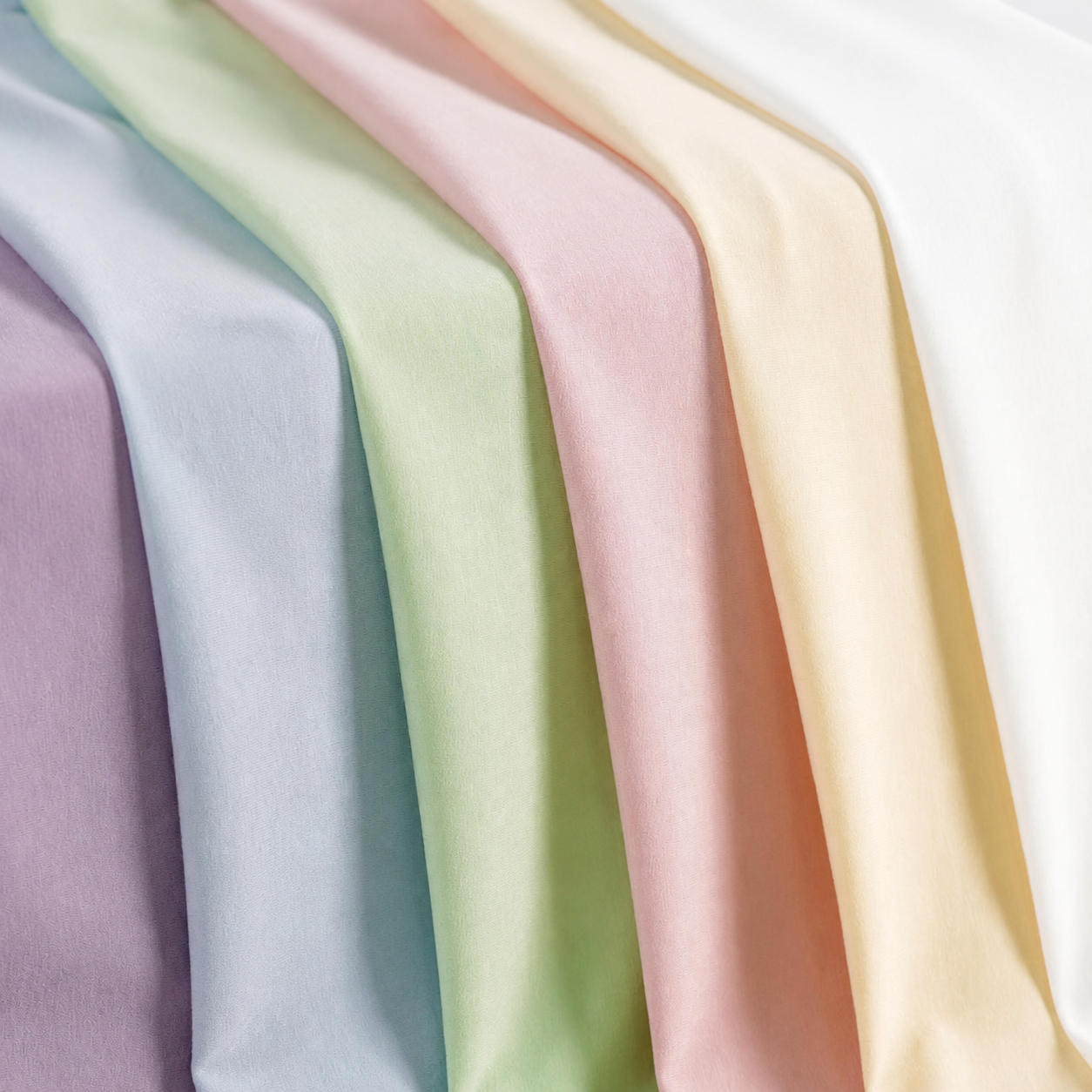 Modal cotton spandex jersey190 gsm · 46% modal / 46% cotton / 8% spandex
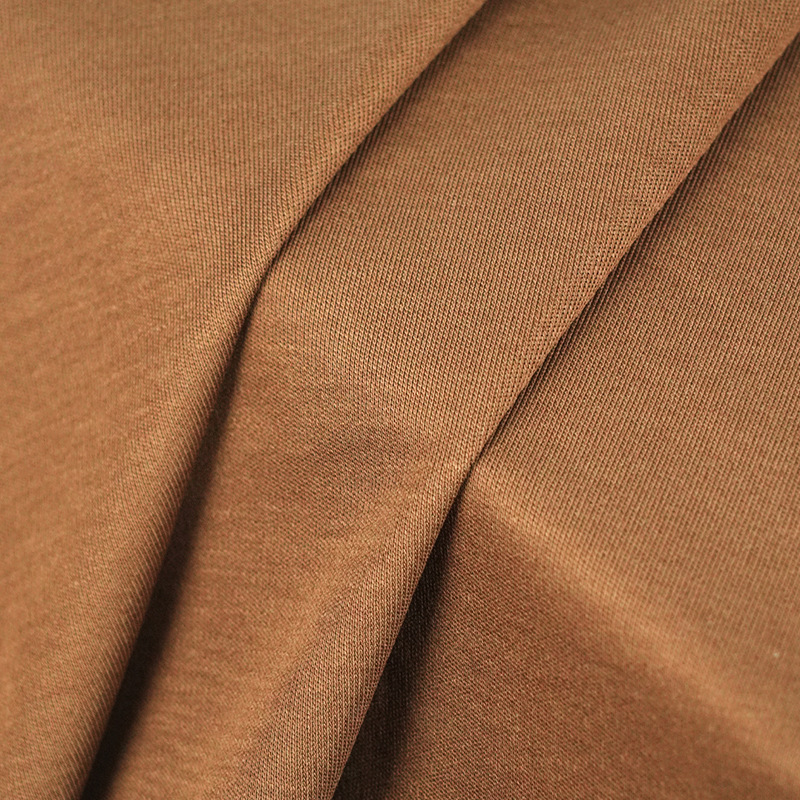 Modal cotton interlock180 gsm · 55% modal / 23% cotton / 22% polyester
Photos show structure and texture; confirm current colors with the physical card.
Cotton: jersey body and woven structure
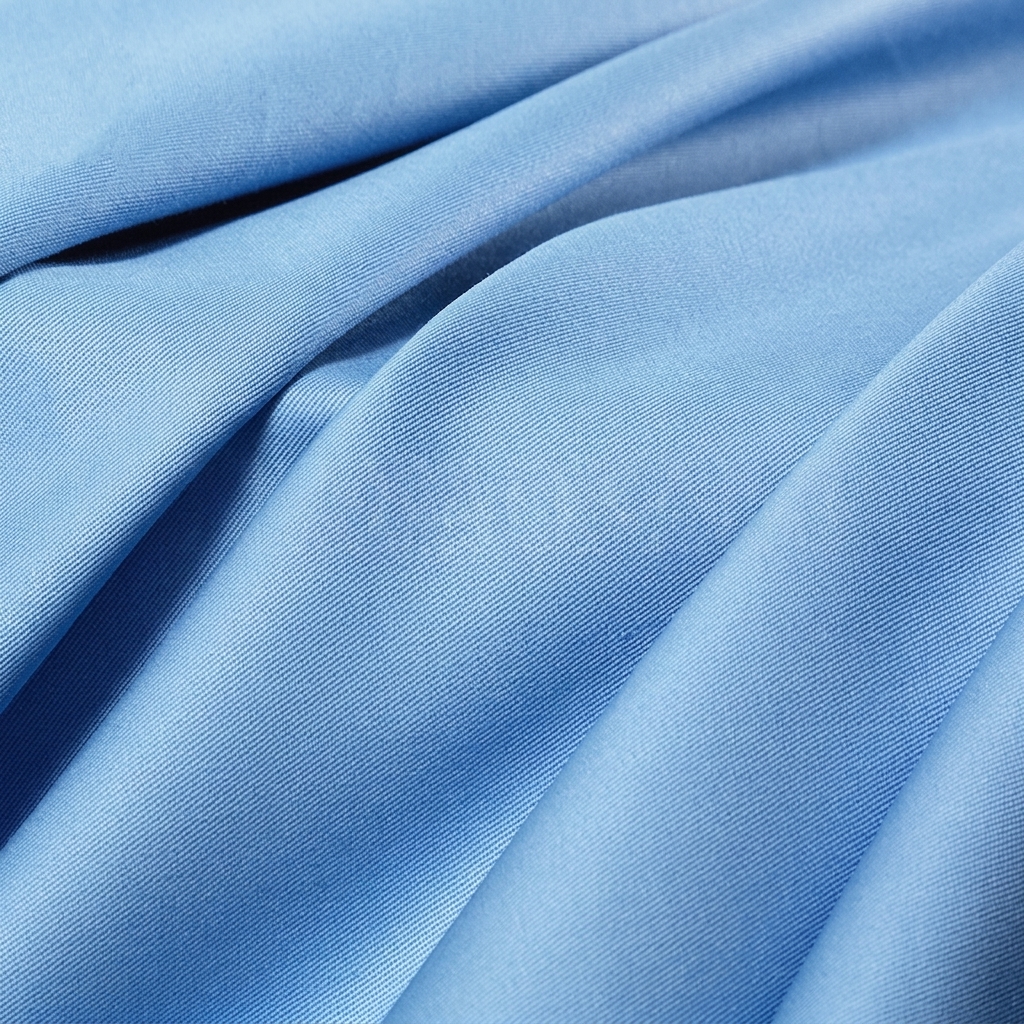
Photos show structure and texture; confirm current colors with the physical card.
Lyocell: fluid satin and summer blends
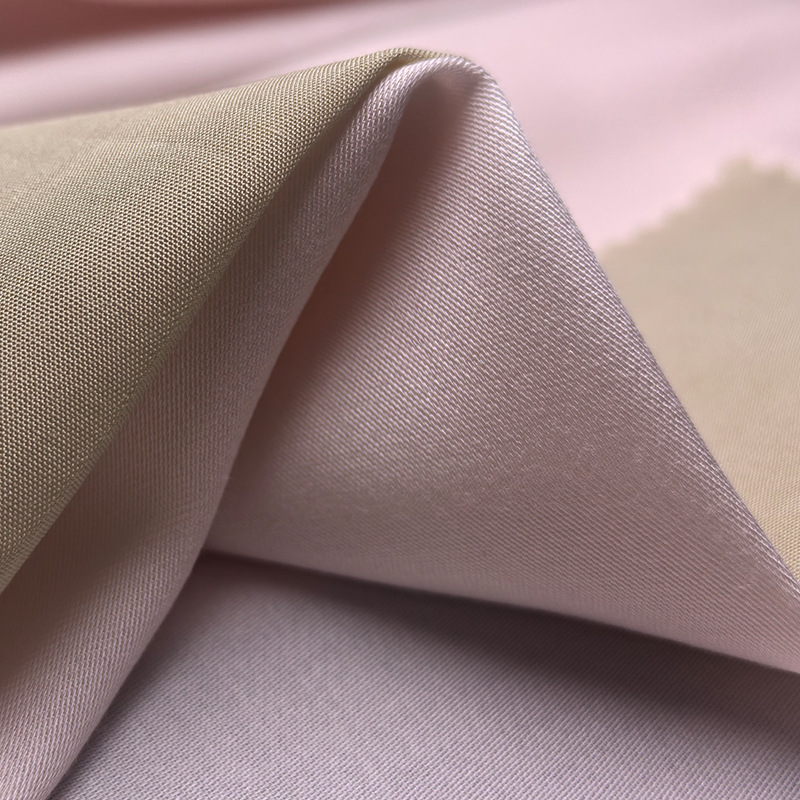
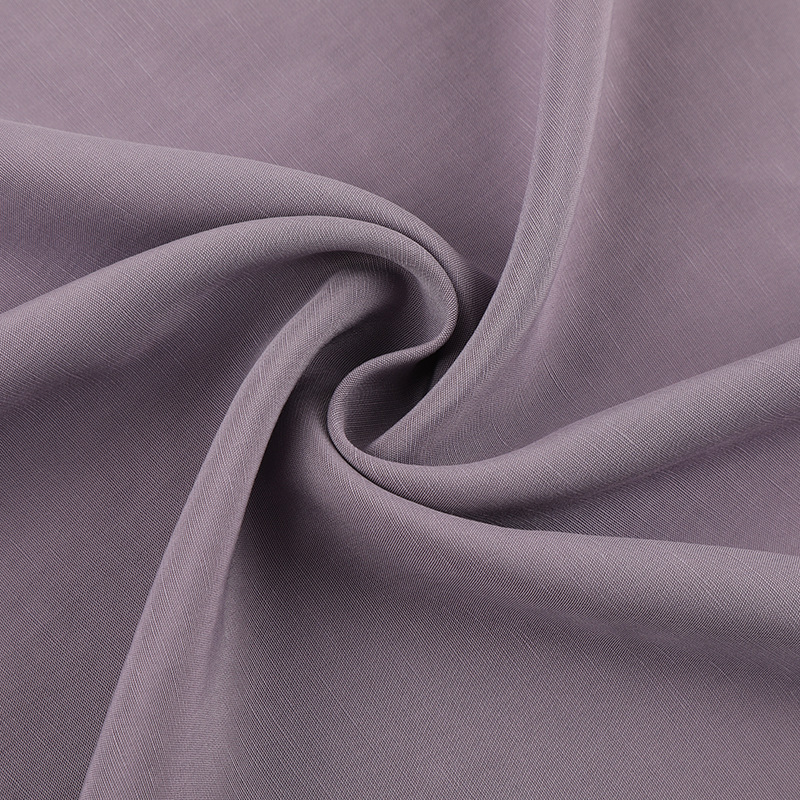
Photos show structure and texture; confirm current colors with the physical card.
Why blends can be the better choice
Modal-cotton can balance supple hand with body; spandex can support recovery in fitted knits. Polyester in the featured interlock is another variable to evaluate for surface, comfort and care. Lyocell-linen combines a fluid cellulose fiber with a textured bast fiber, but it does not automatically become wrinkle-proof. Compare the real finish and full blend ratio.
For sourcing, keep a short specification: garment, target GSM, construction, composition, desired drape and care method. Avoid requests such as “the softest fiber” without an end use. A soft lounge top and a crisp shirt need different cloth.
Wash-test before choosing a winner
We do not have verified shrinkage, pilling or colorfastness test results for these six picks. Do not use a generic percentage as their production allowance. Cotton, modal and lyocell fabrics can all change dimensions; knit growth, spirality and lyocell surface fibrillation also deserve attention.
- Measure: mark a measured square aligned with the length and width directions on each cut sample; record the starting dimensions.
- Wash and dry: use the intended garment-care method consistently across the candidates. Let the samples relax before measuring again.
- Compare: record dimensional change in each direction as (before − after) ÷ before × 100. A negative result indicates growth. Check drape, opacity, surface and seams after laundering, then sew and wear-test the shortlist.
A home sampling check is not a standardized laboratory pilling or colorfastness report. Ask for testing against your production specification when you need a verified result.
Shortlist real fabrics and order samples
The catalog lookup on November 24, 2026 found 49 modal, 240 Tencel / lyocell and 469 cotton entries by name or composition, including blends. These are a dated catalog snapshot, not guaranteed live filter totals or reserved stock. Check availability for your chosen fabric.
Put your cross-fiber shortlist in one Swatch Box. Physical mill color cards are free; coordination and worldwide express shipping cost $69 for up to 5 fabrics or $119 for up to 10, with a maximum of 10 fabrics per box.
For laundering, sewing and drape checks, request 1–10 m cut samples: $4 service fee per fabric plus shipping at cost, with a free color card when the supplier can provide one. Confirm the actual sample quotation before ordering.
Mills update colors often. Photos show structure and texture, not the full current shade range or exact color. Confirm real handfeel and colors with physical mill cards.
FAQ
Is modal better than cotton for T-shirts?
Modal blends are a useful starting point for soft, body-skimming tees; cotton jersey is a useful starting point when you want more body. Compare similar GSM, knit construction and finish before choosing. Fiber alone does not determine quality or stretch recovery.
Is Tencel the same as modal?
TENCEL is a Lenzing brand used for both lyocell and modal fibers. Lyocell and modal are different regenerated cellulose fiber types. This guide uses Tencel to mean lyocell for comparison; a catalog lyocell label alone does not verify branded TENCEL fiber.
Which is cooler for summer: modal, cotton or lyocell?
All three can work for summer. GSM, fabric openness, lining and garment fit affect comfort as well as fiber. Compare a light cotton shirting with a light lyocell woven for shirts, or similar-weight cotton and modal jerseys for tees, rather than ranking fibers in isolation.
Do modal, cotton and lyocell fabrics shrink or pill?
All can change dimensions or surface with laundering. Results depend on yarn, construction, blend, finishing and care. SwatchFree does not have verified shrinkage or pilling results for the six featured fabrics; wash and wear-test a cut sample before production.
Can I compare all three fabrics in one Swatch Box?
Yes. Mix modal, cotton and lyocell selections, with a maximum of 10 fabrics per box. Physical mill color cards are free; the Swatch Box fee covers coordination and worldwide express shipping: $69 for up to 5 fabrics or $119 for up to 10. For testing, 1–10 m cut samples have a $4 service fee per fabric plus shipping at cost, with a free color card when the supplier can provide one.